Lab Safety Essentials for Peptide Handling, Storage, and Disposal
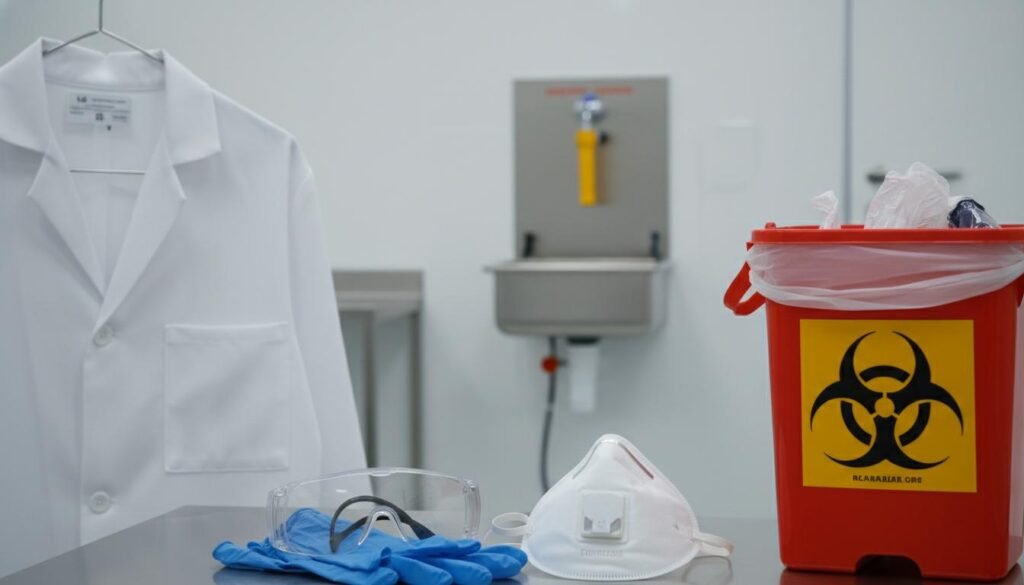
Best practices for safe handling, storage, and disposal of research peptides in laboratory environments.
Growth Hormone Secretagogues: Research Trends and Applications for 2026
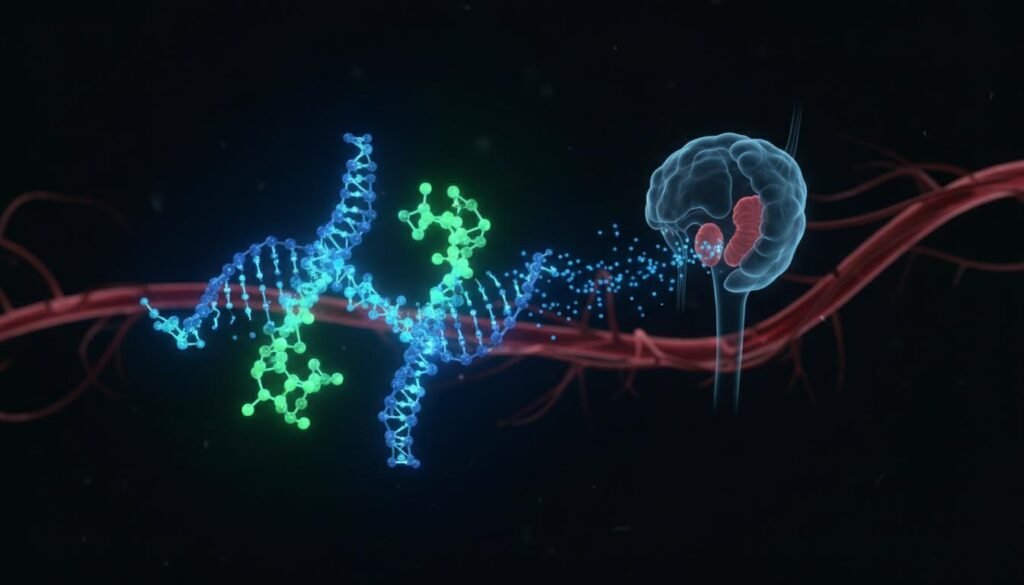
Explore the latest research trends in growth hormone releasing peptides for laboratory use.
How to Read and Interpret a Certificate of Analysis (COA) for Research Peptides
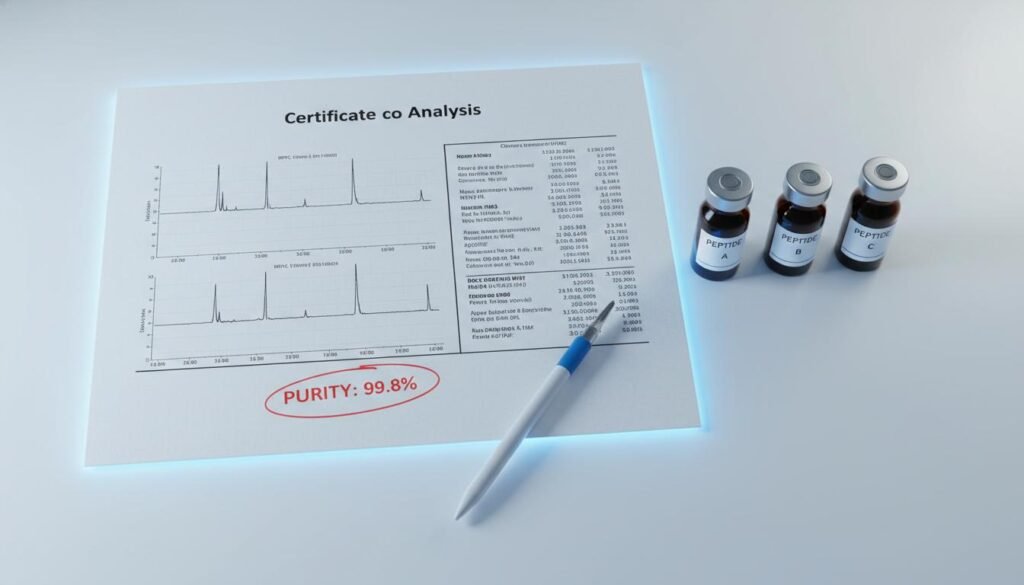
Understand HPLC chromatograms, mass spectrometry data, and purity percentages on COAs.
Peptide Synthesis Methods: Solid Phase vs. Liquid Phase Comparison
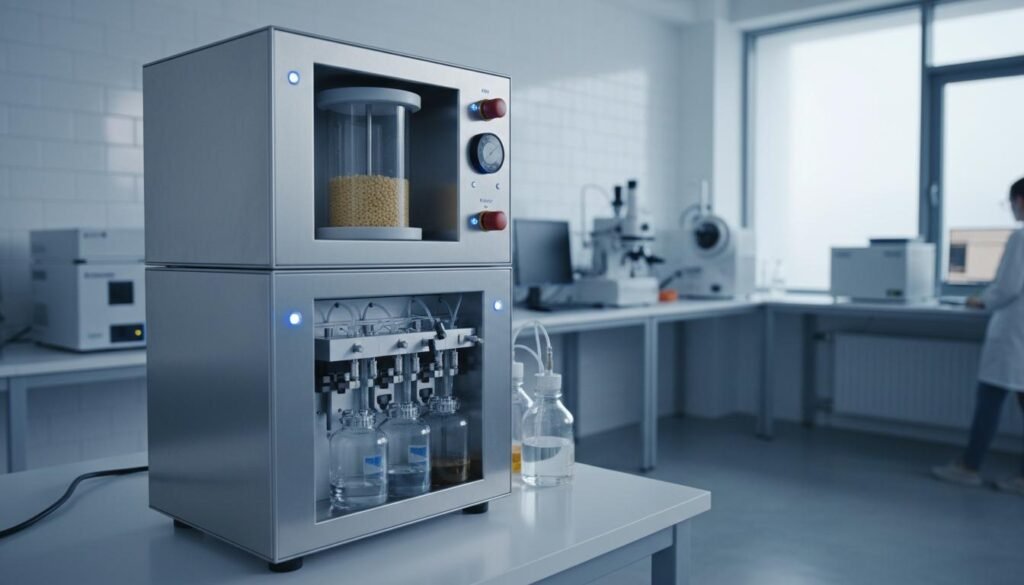
Compare SPPS and LPPS methods for better purity, yield, and research reproducibility.
The Role of BPC-157 in Modern Biochemistry Research
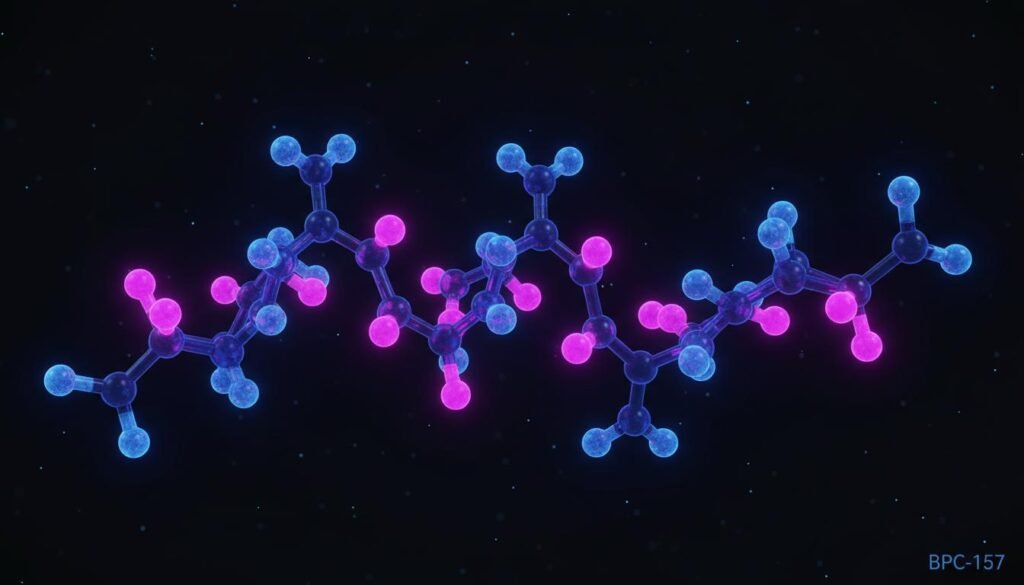
Explore BPC-157 research applications and methodologies in laboratory settings worldwide.
A Researcher’s Guide to Peptide Reconstitution Techniques
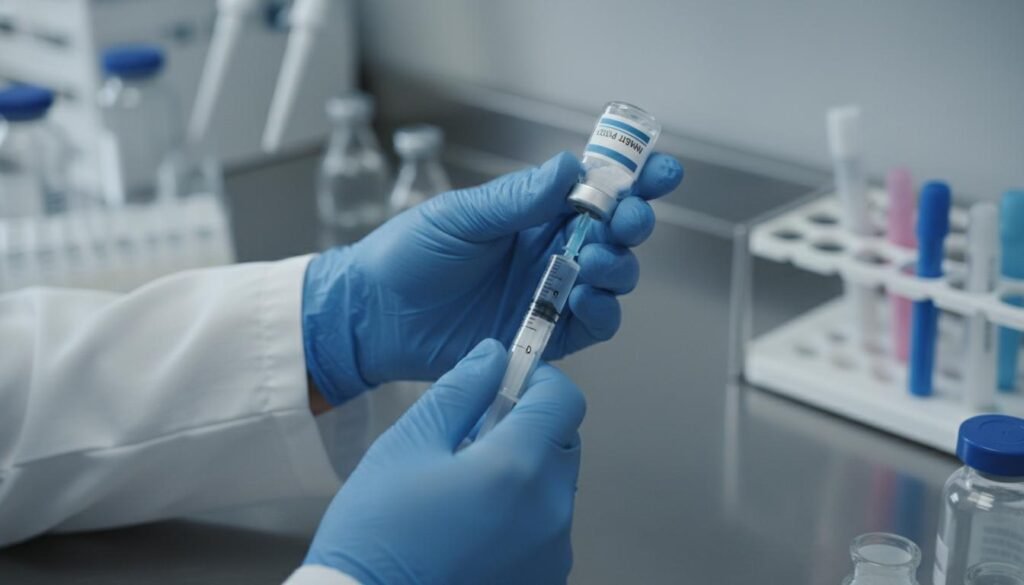
Step-by-step reconstitution methods for dissolving lyophilized peptides correctly in your lab.
Lyophilized vs. Liquid Peptides: Which Form Is Right for Your Research?
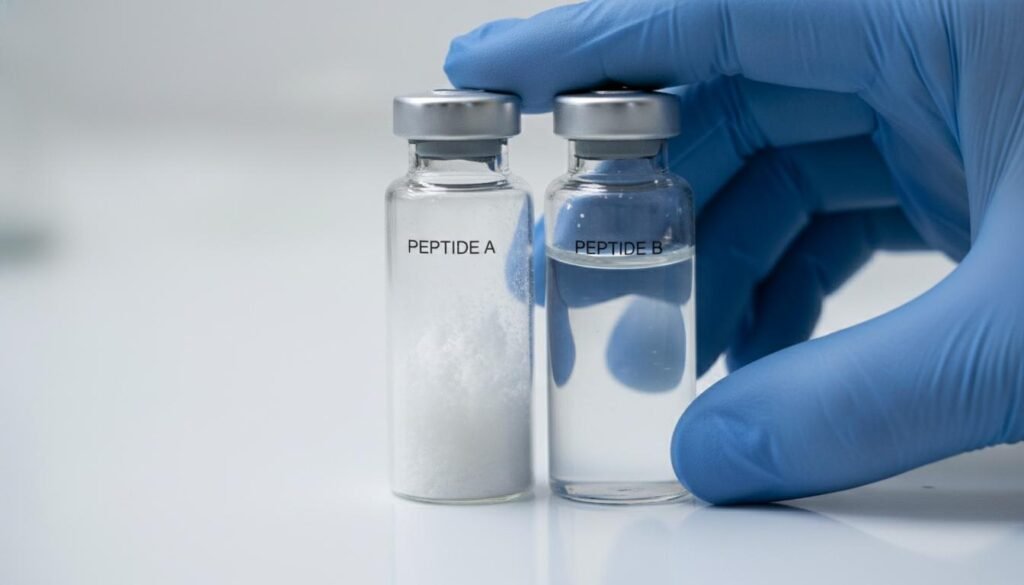
Compare the pros and cons of lyophilized powder versus liquid peptide forms for your research.
Understanding Peptide Purity: HPLC Testing Methods Explained for Researchers
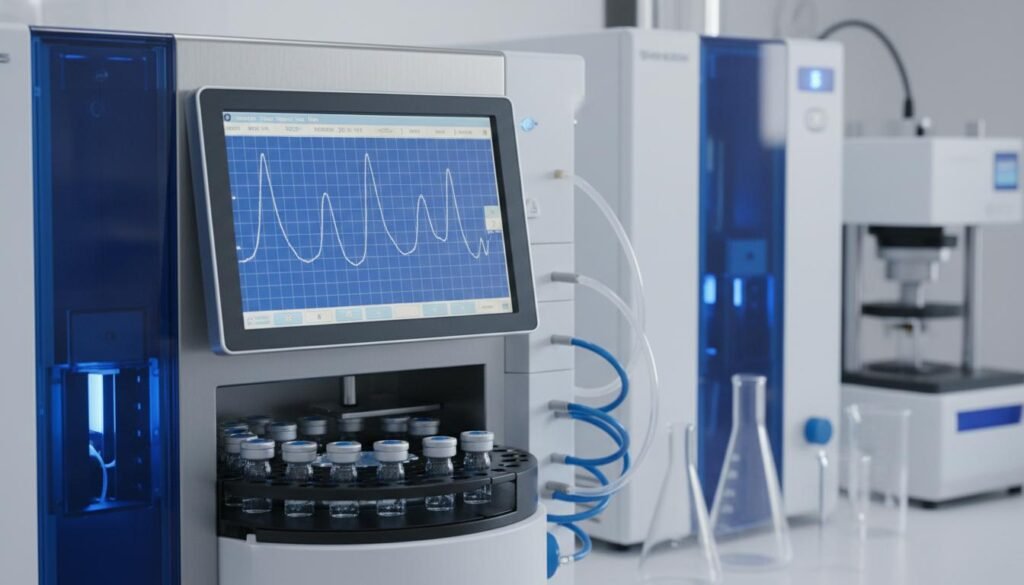
A deep dive into High Performance Liquid Chromatography and peptide purity verification methods.
Bacteriostatic Water for Peptide Reconstitution: A Complete Laboratory Guide
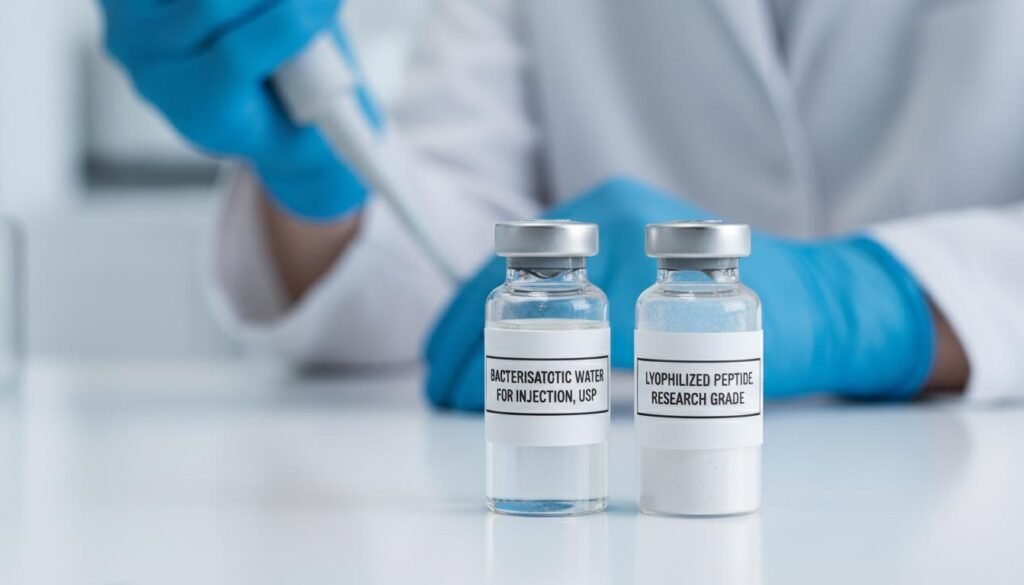
Learn about pH balance, proper dilution techniques, and how to avoid common lab mistakes.
How to Properly Store Research Peptides: A Laboratory Guide
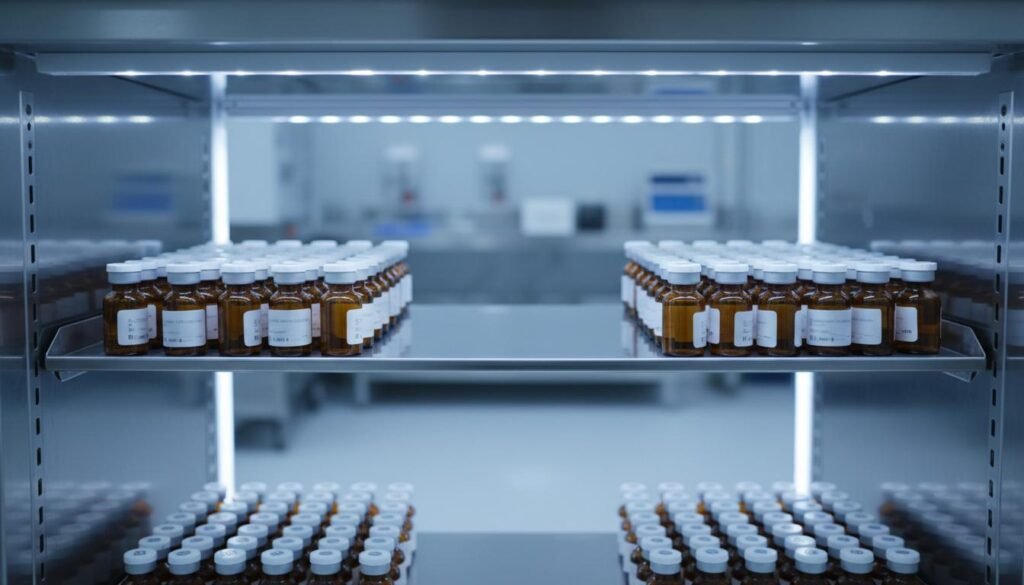
Learn the best practices for storing lyophilized and reconstituted research peptides. From temperature control to proper handling techniques — everything your laboratory needs to maintain peptide integrity and maximize research validity.