Lab Guides
How to Properly Store Research Peptides: A Laboratory Guide
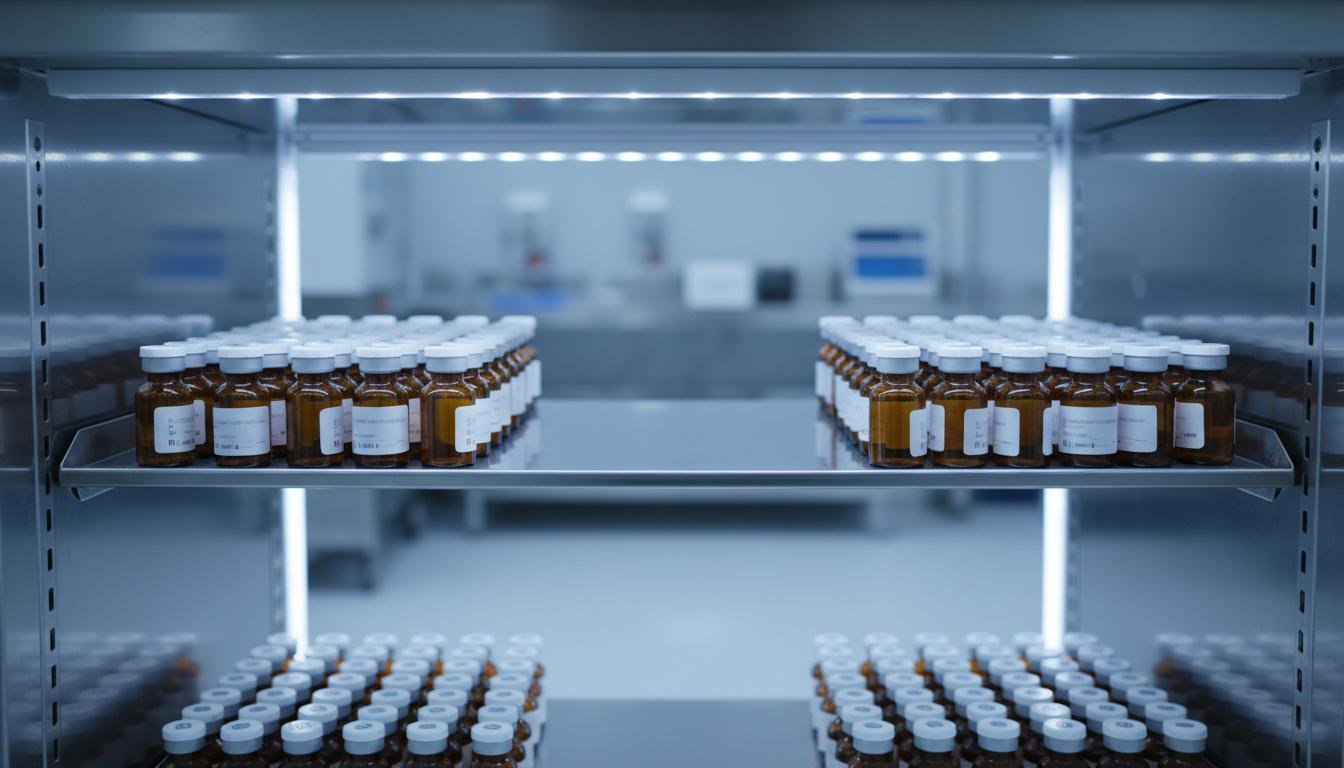
Research Disclaimer: The information in this article is intended for educational and research purposes only. The peptides discussed are sold strictly for laboratory research and are not intended for human consumption, diagnostic use, therapeutic applications, or veterinary use. Always follow proper laboratory protocols and local regulations when handling research compounds.
Proper storage is one of the most overlooked aspects of peptide research. Whether you are working with lyophilized (freeze-dried) research peptides or reconstituted solutions, how you store your research compounds directly impacts their stability, purity, and the reliability of your laboratory results. At AREA 15 LABS, we supply lab-verified research peptides for sale to qualified researchers, and we believe that proper storage knowledge is essential for every laboratory.
Researchers who buy research peptides online need to understand that these compounds are sensitive biological molecules. Improper storage can lead to peptide degradation, aggregation, oxidation, and loss of biological activity — all of which compromise the validity of your experimental data. This comprehensive guide covers everything your lab needs to know about storing research-grade peptides for maximum integrity and shelf life.
Understanding Peptide Stability in Research Settings
Peptides are short chains of amino acids connected by peptide bonds. These bonds can be susceptible to degradation when exposed to environmental stressors. According to research published in the Journal of Peptide Science, the three primary factors that affect peptide stability in laboratory conditions are:
- Temperature fluctuations — Heat accelerates chemical degradation and can cause peptide bond cleavage. Most research peptides should be stored at -20°C for long-term stability.
- Moisture and humidity — Water triggers hydrolysis reactions that break peptide bonds, leading to reduced purity and compromised research results.
- UV light exposure — Ultraviolet radiation can alter molecular structure through photodegradation, particularly affecting aromatic amino acids like tryptophan and tyrosine.
A study from the National Center for Biotechnology Information (NCBI) demonstrated that peptides stored at elevated temperatures showed significant degradation within weeks, while identical samples maintained at -20°C retained >95% purity for over 24 months. This data underscores why temperature control is critical when you purchase research peptides for your laboratory.
Best Practices for Storing Lyophilized Research Peptides
Lyophilized (freeze-dried) peptide powders represent the most stable form for long-term storage. When you order research peptides online from AREA 15 LABS, they are delivered in lyophilized form to maximize stability during shipping and storage. Follow these laboratory protocols:
1. Temperature Control
Store lyophilized research peptides at -20°C (-4°F) in a laboratory freezer. Avoid frost-free freezers, as their automatic defrost cycles create temperature fluctuations that can damage peptide integrity. A dedicated laboratory freezer with minimal door openings provides the most stable environment for your research peptide inventory.
2. Protect from Light
Keep peptide vials in their original amber or opaque containers, or wrap clear vials in aluminum foil. Light-sensitive amino acids like methionine, cysteine, and tryptophan are particularly vulnerable to photodegradation. The U.S. Food and Drug Administration (FDA) guidelines for pharmaceutical storage emphasize light protection as a critical factor for maintaining molecular stability.
3. Minimize Humidity Exposure
Only remove peptide vials from the freezer immediately before use. Allow them to reach room temperature while still sealed to prevent condensation from forming inside the vial. This simple step can significantly extend the usable life of your research peptides. Desiccants in storage containers provide additional moisture protection.
4. Proper Labeling and Organization
Every vial should be clearly labeled with the peptide name, sequence, molecular weight, date received, and batch number. Organize your freezer inventory systematically to minimize search time with the door open. AREA 15 LABS provides comprehensive labeling on all COA-verified research peptides we supply.
Storing Reconstituted Research Peptides
Once you reconstitute lyophilized peptides with bacteriostatic water or another appropriate diluent, storage requirements change significantly. Reconstituted peptides have a much shorter shelf life:
- Refrigerated (2-8°C): Most reconstituted research peptides remain stable for 2-4 weeks
- Frozen (-20°C): Reconstituted peptides can be stored for 3-6 months, though freeze-thaw cycles should be minimized
- Avoid repeated freeze-thaw: Each freeze-thaw cycle can cause aggregation and degradation. Aliquot reconstituted peptides into single-use volumes when possible.
Research published in Biochimica et Biophysica Acta showed that repeated freeze-thaw cycles reduced peptide bioactivity by 15-30% after just three cycles. For laboratories conducting long-term studies, aliquoting reconstituted peptides into working volumes is strongly recommended.
Storage Summary for Research Laboratories
| Factor | Lyophilized Powder | Reconstituted Solution |
|---|---|---|
| Optimal Temperature | -20°C | 2-8°C (refrigerated) |
| Expected Shelf Life | 12–24 months | 2–4 weeks |
| Light Protection | Required | Required |
| Humidity Control | Desiccant recommended | Sealed container |
| Freeze-Thaw Cycles | Minimize | Avoid entirely |
Related Reading
Need Research Peptides and Reconstitution Supplies?
AREA 15 LABS supplies HPLC-tested, USA-made research peptides with verified Certificates of Analysis. Same-day dispatch from our Texas facility.
Looking for Lab-Verified Research Peptides?
AREA 15 LABS supplies HPLC-tested, USA-made research peptides with verified Certificates of Analysis. Same-day dispatch from our Texas facility.