Lab Guides
The Role of BPC-157 in Modern Biochemistry Research
Research Disclaimer: This article discusses BPC-157 for educational and laboratory research purposes only. BPC-157 is sold strictly for in vitro research and is not intended for human consumption, diagnostic use, therapeutic applications, or veterinary use.
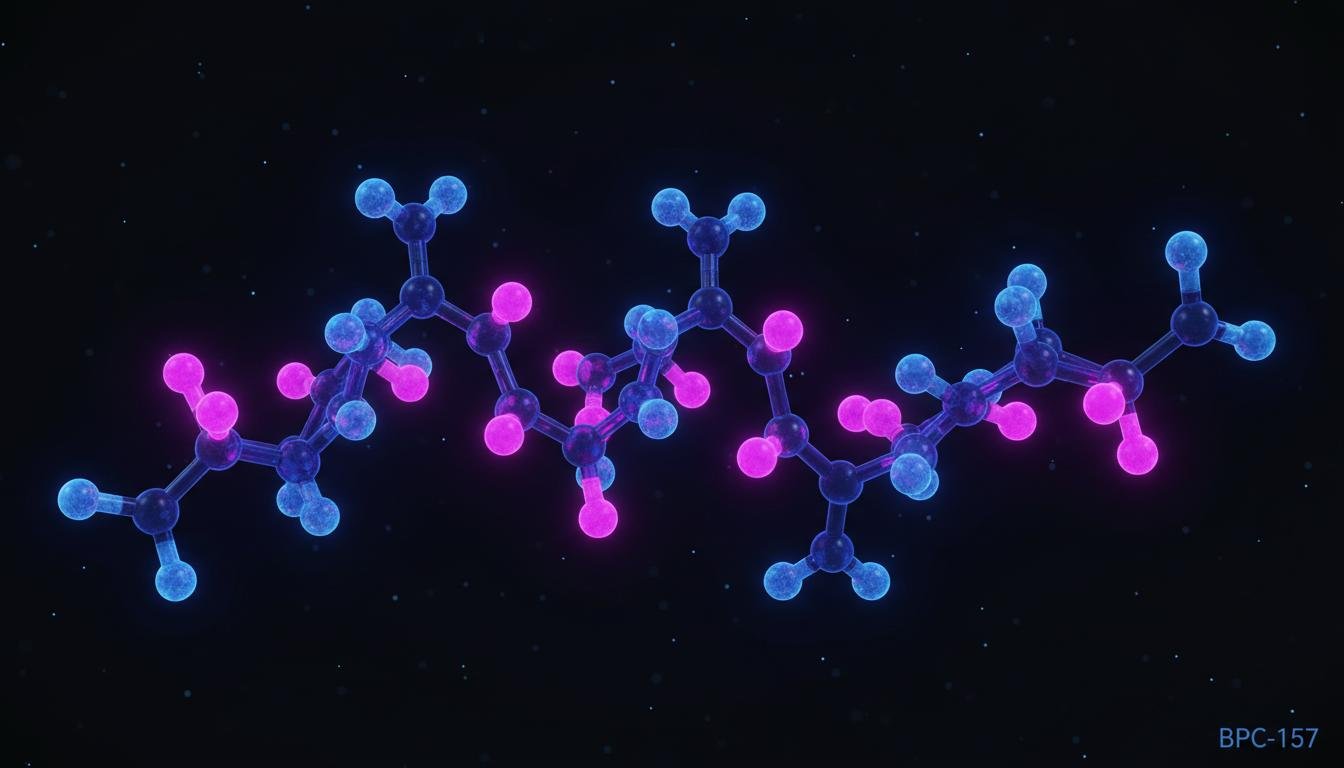
BPC-157 (Body Protection Compound-157) is a synthetic pentadecapeptide consisting of 15 amino acids with the sequence Gly-Glu-Pro-Pro-Pro-Gly-Lys-Pro-Ala-Asp-Asp-Ala-Gly-Leu-Val. Originally isolated from gastric juice protective proteins, BPC-157 has become one of the most extensively studied synthetic peptides in biochemistry research worldwide. At AREA 15 LABS, BPC-157 is consistently among our top-requested research peptides for sale to qualified laboratories.
This article explores the molecular characteristics, research applications, and methodological considerations for laboratories studying BPC-157. All information is presented strictly from a research perspective, with citations to peer-reviewed scientific literature.
Molecular Characteristics and Structural Properties
BPC-157 is a relatively short peptide with a molecular weight of approximately 1419.5 Da. Its amino acid sequence corresponds to a portion of the human BPC protein found in gastric juice. Key structural features relevant to research applications include:
- High stability: BPC-157 remains stable in gastric juice for over 24 hours, distinguishing it from many other peptides that degrade rapidly in acidic environments. This stability has made it a subject of intense research interest.
- Water solubility: The peptide is highly water-soluble, facilitating reconstitution and preparation for in vitro studies.
- Sequence conservation: The sequence is identical across mammalian species, supporting translational research models.
According to research published in the Journal of Physiology and Pharmacology, BPC-157’s unique stability profile makes it particularly amenable to various research methodologies including cell culture, tissue explant, and in vitro receptor binding assays.
Research Applications in Biochemistry
BPC-157 has been investigated across numerous research domains. The following areas represent the primary focus of peer-reviewed studies:
1. Tissue Culture Studies
Researchers have examined BPC-157’s effects on various cell lines including fibroblasts, endothelial cells, and tenocytes. Studies published in Life Sciences have reported effects on cell migration, proliferation markers, and extracellular matrix production in controlled laboratory settings.
2. Molecular Pathway Research
BPC-157 has been studied for its potential interactions with the nitric oxide (NO) pathway, the FAK-paxillin signaling cascade, and the VEGF receptor system. These studies typically employ Western blotting, RT-PCR, and immunofluorescence techniques to assess molecular changes in treated cell cultures.
3. Comparative Peptide Research
BPC-157 is frequently included in comparative studies alongside other synthetic peptides such as TB-500 (Thymosin Beta-4), GHK-Cu, and various growth factors. These head-to-head comparisons help researchers understand relative potency, mechanism differences, and optimal applications.
Methodological Considerations for Laboratories
When conducting research with BPC-157, laboratories should consider the following technical parameters:
| Parameter | Recommended Range | Notes |
|---|---|---|
| Reconstitution Concentration | 1–10 mg/mL | Start with 5 mg/mL for general research |
| Solvent | Bacteriostatic water | pH 4.5–7.0 optimal |
| Storage (reconstituted) | 2–8°C | Use within 2–4 weeks |
| In vitro concentration range | 0.1–10 μM | Optimize for specific cell type |
| Molecular weight | 1419.5 Da | Confirm by MS on COA |
Sourcing BPC-157 for Research
For laboratories seeking to purchase BPC-157 for research, quality verification is paramount. Always verify that your supplier provides:
- HPLC purity data showing ≥99% purity
- Mass spectrometry confirmation of molecular weight
- Complete Certificate of Analysis from a third-party laboratory
- Batch-specific testing documentation
AREA 15 LABS provides comprehensive COAs for all BPC-157 batches, including full HPLC chromatograms and MS data. We ship research-grade BPC-157 nationwide from our Texas facility.
Related Reading
Need Research Peptides and Reconstitution Supplies?
AREA 15 LABS supplies HPLC-tested, USA-made research peptides with verified Certificates of Analysis. Same-day dispatch from our Texas facility.
Looking for Lab-Verified Research Peptides?
AREA 15 LABS supplies HPLC-tested, USA-made research peptides with verified Certificates of Analysis. Same-day dispatch from our Texas facility.